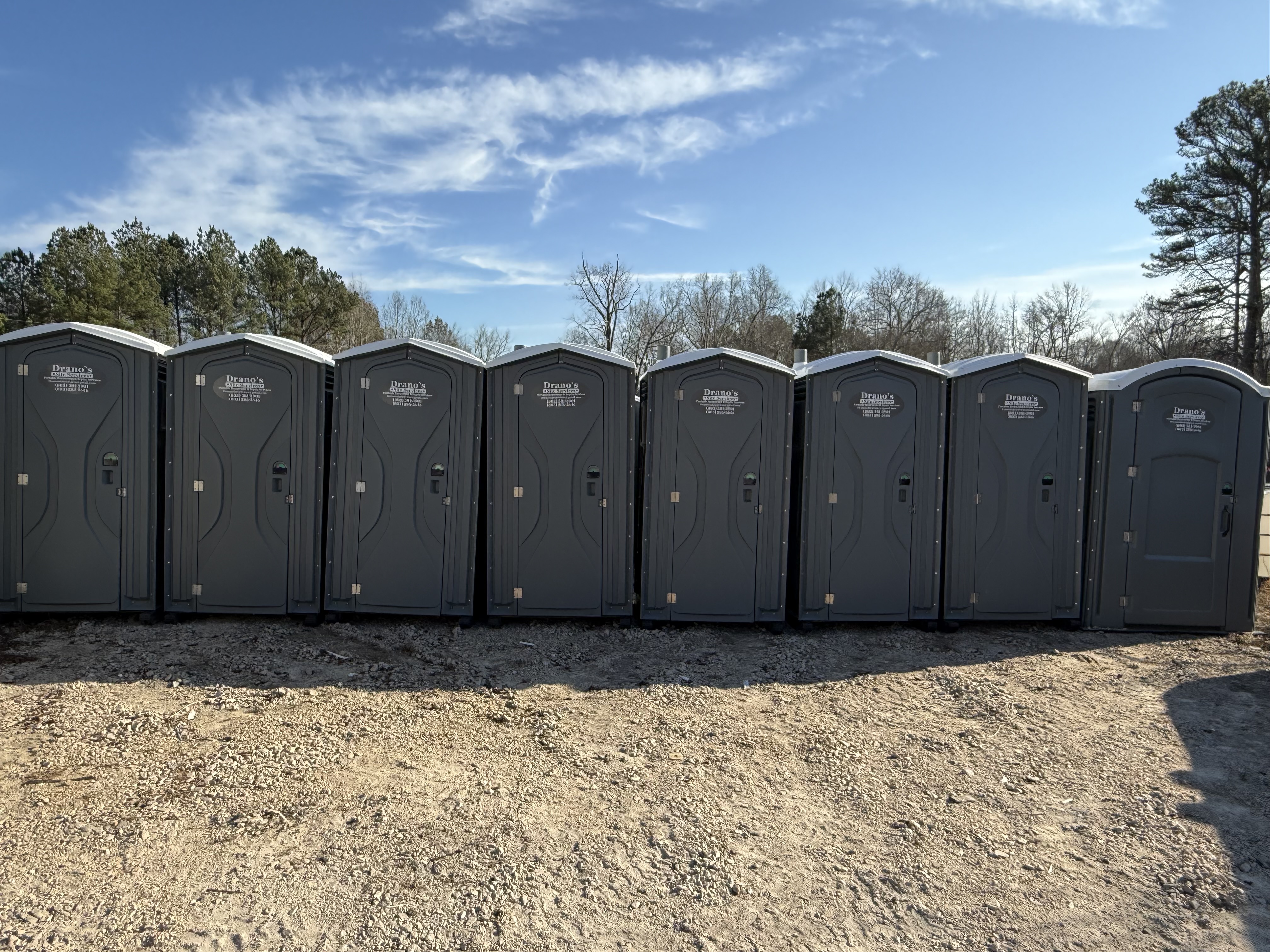
Ensuring Hygienic Standards: Best Practices for Portable Restroom Maintenance May 14, 2026
Firstly, it's essential to understand the importance of frequent cleaning. Portable restrooms can quickly become unpleasant if not regularly maintained, especially in high-traffic areas such as construction sites or large outdoor events. Establishing a consistent cleaning schedule will help prevent the buildup of odors and bacteria. Depending on usage, daily cleaning might be necessary, while for less trafficked locations, every few days may suffice. Using high-quality cleaning products specifically designed for portable restrooms will ensure thorough sanitation.
Equally crucial is the regular restocking of supplies. Ensuring that restrooms are always equipped with essential items like toilet paper, hand sanitizer, and soap can prevent user inconvenience and enhance the overall experience. Conducting routine checks throughout the day can help maintain supply levels and ensure that these amenities are readily available for every user.
Proper waste management is another critical aspect of portable restroom maintenance. Regularly scheduled waste removal not only prevents overflow but also minimizes unpleasant odors and hygiene issues. Partnering with a reliable waste disposal service can streamline this process, ensuring that waste is handled in an environmentally friendly and efficient manner.
Ventilation plays a vital role in maintaining a fresh-smelling environment inside portable restrooms. Look for units that are designed with vents to promote airflow, reducing odor retention. In cases where natural ventilation isn’t enough, consider using air fresheners or deodorizing agents to keep odors at bay. It's important to use these products in moderation to avoid overwhelming users with strong fragrances.
Additionally, it's essential to perform regular inspections for maintenance and repair needs. This includes checking for leaks, malfunctions in flushing mechanisms, or any damage to the unit. Promptly addressing any issues can prevent them from becoming major problems, ensuring that your portable restrooms remain fully functional and safe for use.
Training staff in best practices for hygiene and customer service is also paramount. Team members should be well-versed in how to effectively clean and maintain the restrooms, use cleaning and sanitizing agents safely, and manage waste efficiently. Furthermore, training should emphasize the importance of customer service and how to address any concerns swiftly and professionally.
Finally, consider the overall layout and placement of portable restrooms. Strategic placement in accessible locations can enhance convenience for users and facilitate ease of maintenance. Ensure that the units are positioned on even ground to prevent tipping and are adequately spaced to allow staff unobstructed access for service.
In conclusion, upholding high hygienic standards in portable restroom maintenance is not only a matter of routine cleaning but involves a comprehensive approach incorporating sanitation, supply management, waste disposal, and staff training. Adopting these best practices will not only improve the user experience but also fortify the reputation of Drano's Site Services as a leading provider of Portable Bathroom Services. Remember, a well-maintained portable restroom reflects your commitment to quality and customer care, fostering long-term satisfaction and trust among clients.
/filters:no_upscale()/filters:format(webp)/media/94bd7a06-7bfb-43df-9869-8864ac504e18.jpeg)